0

Why Your Cycle Length Isn’t 28 Days (and Why That’s Fine)

The textbook cycle is a myth. Here's what "normal" actually looks like.

The 28-day cycle is often treated as the standard against which every other cycle is measured. Apps default to it; textbooks teach it, and it’s easy to assume that anything longer or shorter needs explaining. In reality, very few people have a cycle that measures exactly 28 days every month — and research confirms that’s simply not a fixed rule.

Where does the 28-day concept come from?

According to the NHS, the average menstrual cycle is around 28 days, but cycles ranging from 21 to 35 days are considered normal. That said, “average” doesn’t mean “most common”. A large study was conducted by University College London (UCL) and the contraceptive app Natural Cycles. A staggering 600,000 cycles from more than 124,000 women aged 18 to 45 across the UK, US, and Sweden were studied. The study found that only around 13% of cycles were 28 days long, with an average cycle length closer to 29.3 days. The same study found 65% of women had cycles lasting somewhere between 25 and 30 days, illustrating just how wide the “normal” range really is.

Why does cycle length vary?

A cycle has two main phases: the follicular phase, from the first day of your period to ovulation, and the luteal phase, from ovulation to the start of your next period. The UCL study also found that average cycle length tends to decrease with age, from 25 to 45, and that cycle length varies more among women with a higher body mass index (BMI). Most of the month-to-month shifting happens in the follicular phase, since the time it takes to ovulate isn’t fixed. 

NHS Inform notes that a cycle is generally considered irregular only if it changes suddenly, runs longer than 40 days, or involves bleeding between periods — not simply because it doesn’t land on the 28th day. 

What does this mean for tracking?

Because ovulation doesn’t reliably land on day 14, counting from a fixed date isn’t an accurate way to find your fertile window — particularly if your cycle runs longer, shorter, or irregularly. As the same UCL research highlighted, ovulation itself does not occur consistently on the same cycle day for most women.

What is a more accurate way to track ovulation?

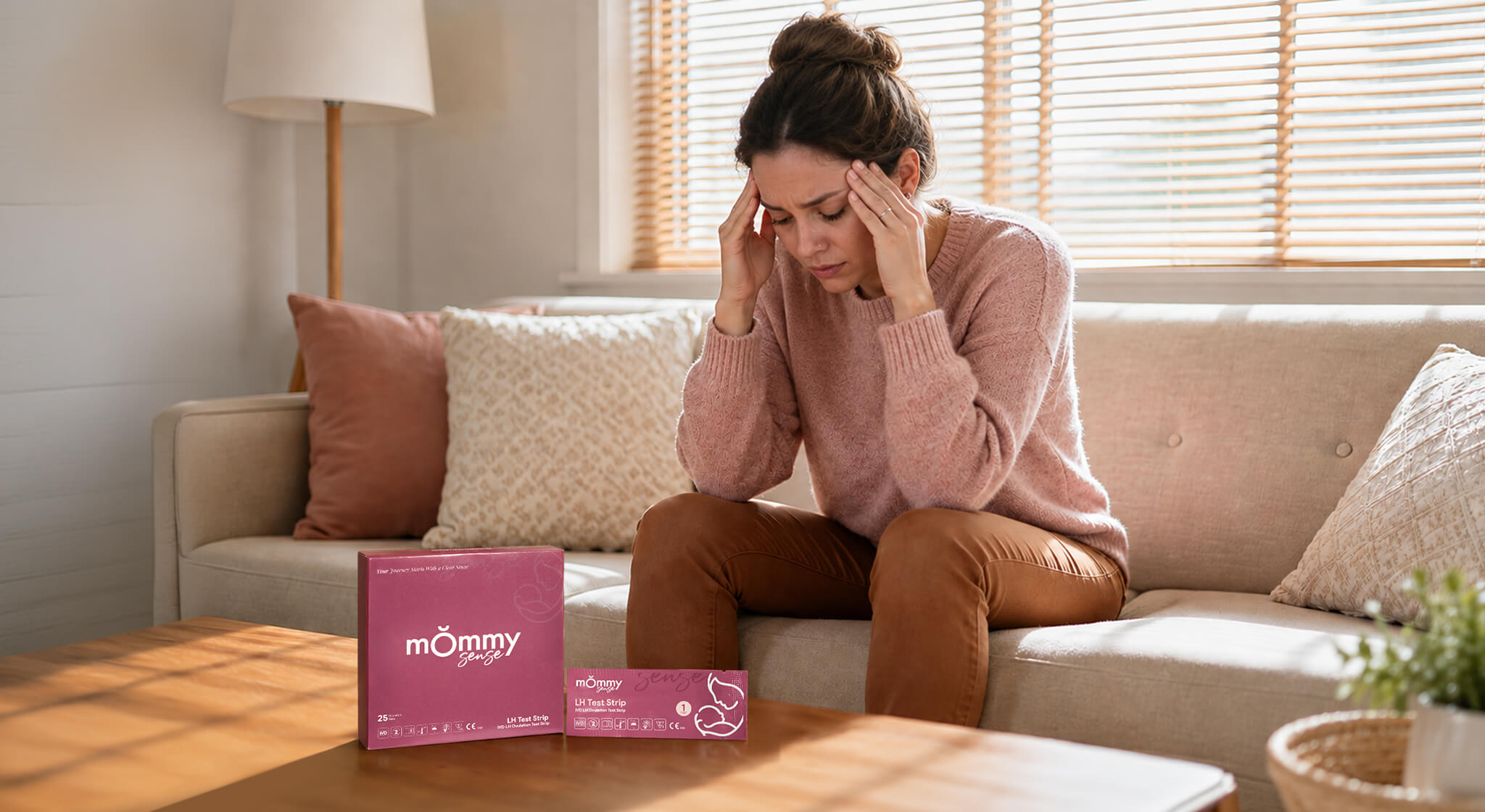
Rather than relying on calendar counting, tracking the hormone linked to ovulation gives a clearer, more personal picture. The MommySense Ovulation Test Strip detects the rise in luteinising hormone (LH) that occurs shortly before ovulation, helping you identify your fertile window based on your own cycle — not a textbook average. 

Understanding your cycle length isn’t about matching a number. It’s about recognising what’s typical for you, so you can plan or track with confidence, backed by data rather than guesswork. 


Read more blogs