0

Can You Get Pregnant During Your Period?

How ovulation, sperm survival, and menstrual cycle timing affect your chances of pregnancy

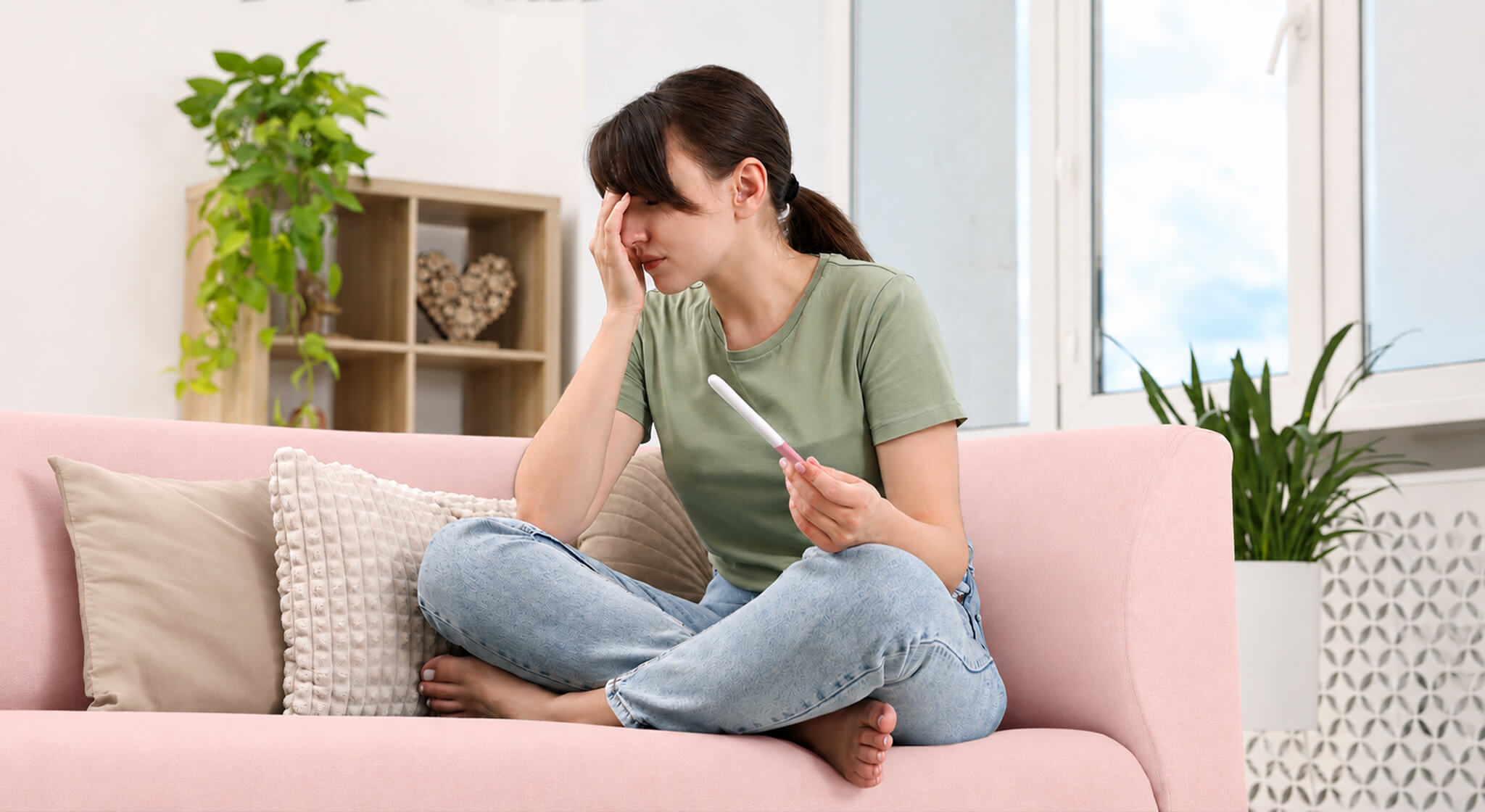
You’ve probably heard that getting pregnant during your period is impossible. It’s one of those things people often accept as a fact, without really questioning it.

But here’s what you should know: while the chances are generally low, pregnancy during your period is still possible.

And whether you’re trying for a baby or hoping to avoid pregnancy, understanding why can make a difference.

So, how is it possible?

It comes down to two things: when you ovulate, and how long the sperm can survive. 

Ovulation, when your ovary releases an egg, usually occurs around 10–16 days after your next period. But not everyone’s cycle follows the same schedule. 

According to the NHS, sperm can survive inside the reproductive tract for up to seven days after intercourse. 

So, if you have a shorter cycle or ovulate earlier than expected, sperm from intercourse towards the end of your period could still be present when ovulation occurs. 

It’s uncommon, but certainly worth understanding. 

What if the bleeding isn't actually your period?

Here’s another possibility that’s easy to overlook.  

Not all vaginal bleeding is menstrual bleeding. Some women experience light spotting in early pregnancy, sometimes around the time their period would normally arrive. 

If your bleeding is unusually light or different from your typical period, and there’s a possibility of pregnancy, it’s worth taking a test rather than relying on symptoms alone. 

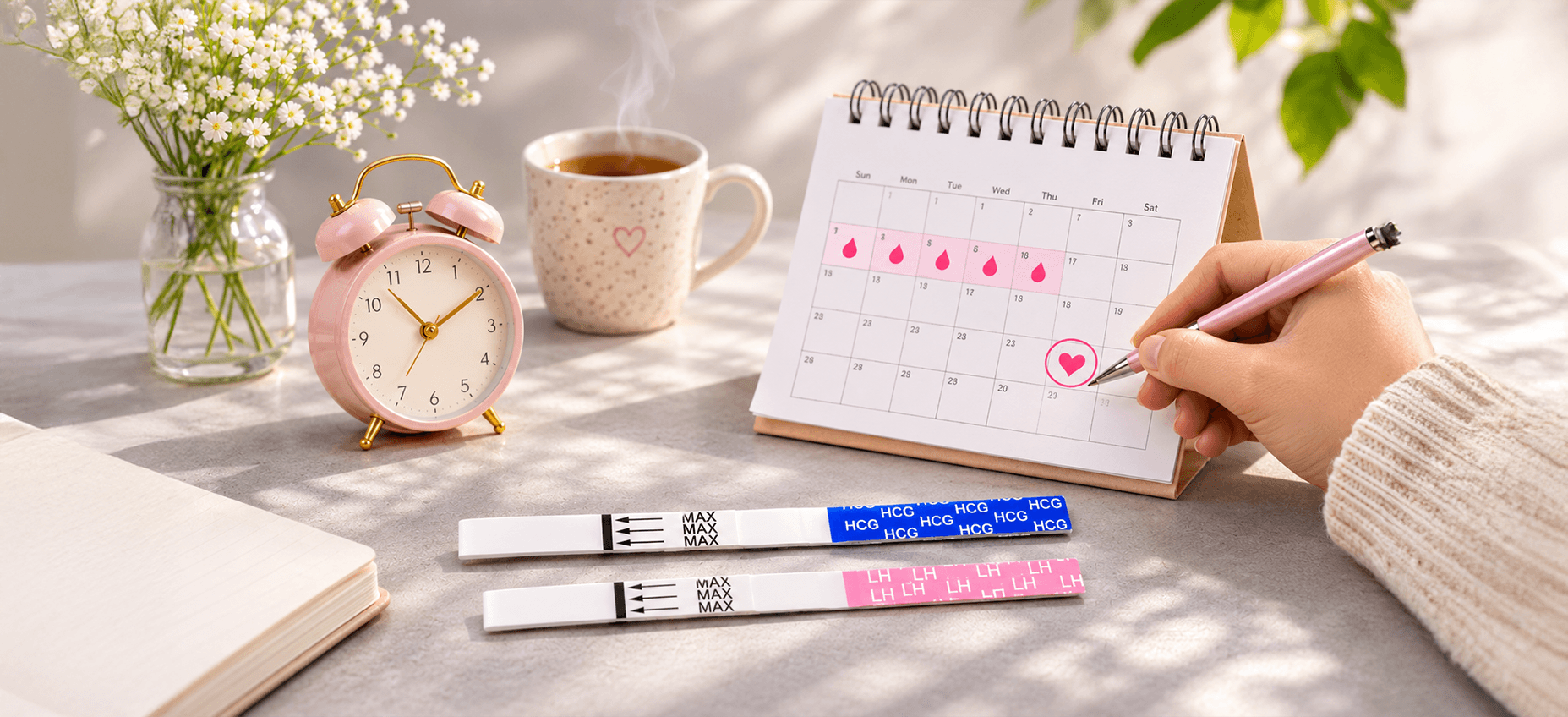
MommySense Pregnancy Test Strips detect the pregnancy hormone hCG (Human chorionic gonadotropin), helping you check in the privacy and comfort of your home. 

For more reliable results, the NHS recommends testing from the first day of a missed period, or at least 21 days after unprotected sex if you’re unsure when your period is due. 

What does this mean if you're trying to conceive?

If pregnancy is your goal, understanding your fertile window can be more helpful than trying to predict ovulation using dates alone. 

MommySense Ovulation Test Strips detect the LH (luteinising hormone) surge that typically happens before ovulation, helping you identify when your fertile days may be approaching. 

Remember, an LH surge doesn’t guarantee ovulation or pregnancy. 

And if you’re not trying to conceive, don’t rely on your period as contraception. Your GP or sexual health clinic can help you explore suitable options. 

A little reassurance before you go

Your cycle won’t necessarily behave exactly like someone else’s, and occasional variations are common. The important thing is understanding what’s normal for you and recognising when something changes. 

If you’re concerned about unusual bleeding, particularly if you might be pregnant, speak to a healthcare professional. 

At MommySense, we’re here to make understanding your body a little easier, one question at a time. 

Explore our testing essentials at mommy-sense.com. 

Read more blogs