Using Ovulation Tests? Avoid These Common Mistakes
Using Ovulation Tests? Avoid These Common Mistakes Ovulation test strips detect the surge in luteinizing hormone (LH) that typically occurs 24 to 36 hours before
Ovulation test strips detect the surge in luteinizing hormone (LH) that typically occurs 24 to 36 hours before ovulation, helping you identify the days when conception is most likely.
If you’ve ever taken an ovulation test and wondered why the result didn’t match what your app predicted, you’re not alone. While ovulation testing can be one of the most effective ways to identify your fertile window, small mistakes in timing, testing habits, or interpretation can sometimes lead to confusion.
Understanding how ovulation tests work and how to use them correctly can help you get the most accurate picture of your cycle and improve your confidence when trying to conceive.
However, even the most accurate ovulation tests work best when they’re used correctly. Here are some common mistakes to watch out for.
Assuming Ovulation Happens on the Same Day Every Month
Many people expect ovulation to occur at the same time during every cycle. In reality, factors such as stress, travel, illness, and hormonal changes can affect timing.
Rather than relying solely on a calendar, ovulation testing can help you understand what’s happening in your body during that specific cycle.
Ovulation tests track changes in LH levels over time. It’s normal to see negative results before your surge occurs.
As you continue testing, you may notice the test line becoming darker before reaching a positive result. Consistency is key when learning your cycle patterns.
A negative ovulation test doesn’t mean you’ve missed ovulation or won’t ovulate that cycle. It may simply mean your LH surge hasn’t happened yet.
Testing over several consecutive days often provides a clearer picture of your fertile window.
Ovulation testing is most effective when viewed as a pattern rather than a single day’s result.
Tracking your results over time can help you identify trends, recognize your LH surge, and better understand your cycle.
LH levels can fluctuate throughout the day. Testing at different times each day may make it harder to spot your surge.
Try to test around the same time each day and follow the instructions provided with your ovulation test.
While ovulation testing can’t predict pregnancy, it can provide valuable insight into your fertile window when used consistently. Choosing a reliable, easy-to-use test can make tracking your cycle simpler and less stressful.
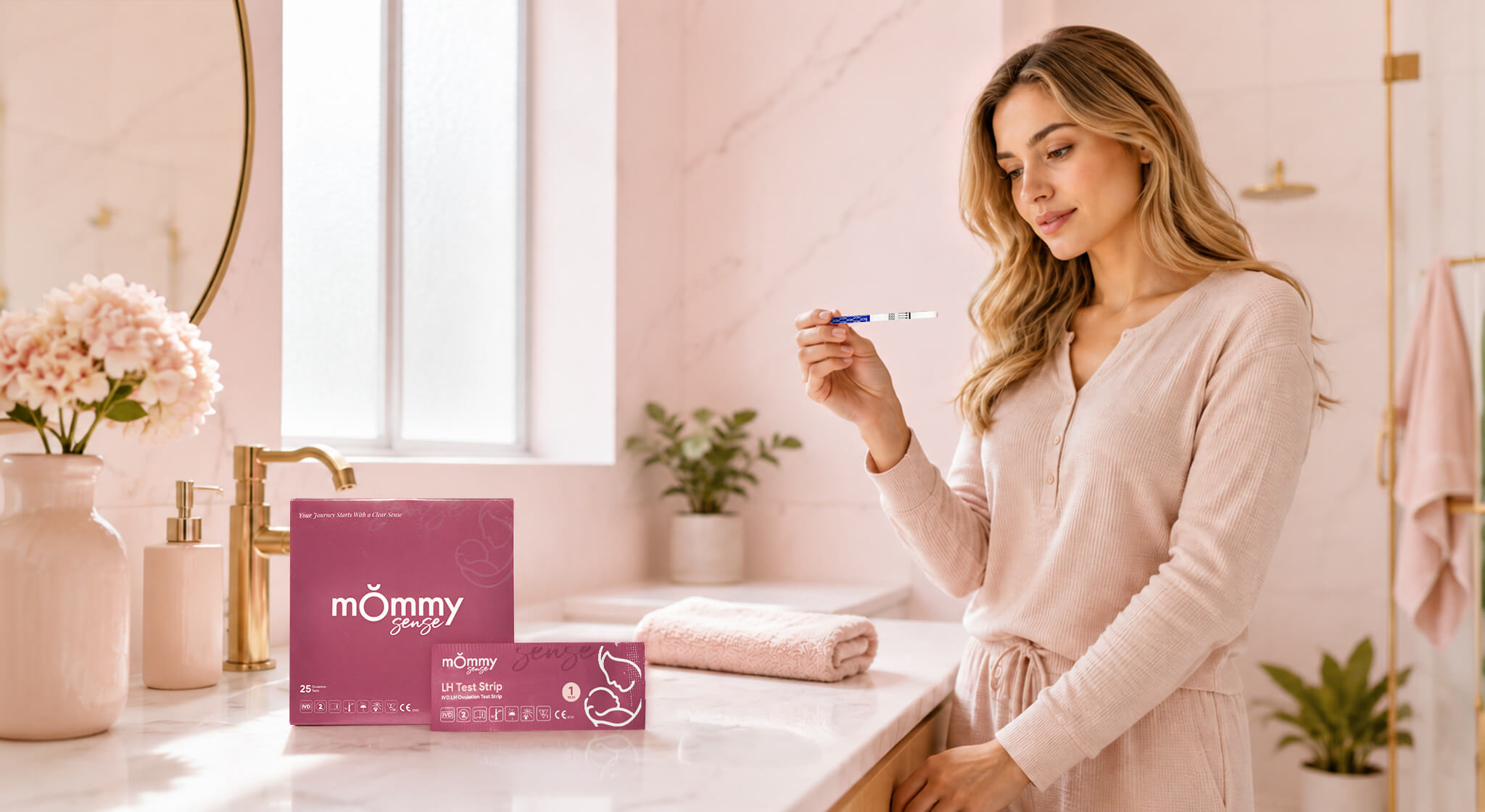
Mommy Sense Ovulation Test Strips are designed to help you identify your fertile window by detecting the LH surge that occurs before ovulation. With easy-to-read results and individually sealed strips for convenience and hygiene, they offer a simple way to track your cycle from the comfort of home.
By testing consistently and understanding your results, you can approach your fertility journey with greater confidence and clarity.

Using Ovulation Tests? Avoid These Common Mistakes Ovulation test strips detect the surge in luteinizing hormone (LH) that typically occurs 24 to 36 hours before

Understanding Pregnancy Test Sensitivity When you’re trying to conceive, every step you take can feel significant. It is natural to be a bit anxious and

When you’re choosing an ovulation or pregnancy test, it’s easy to assume that all test strips work the same way. But in reality, small differences
Copyright © MommySense 2026 — All rights reserved.